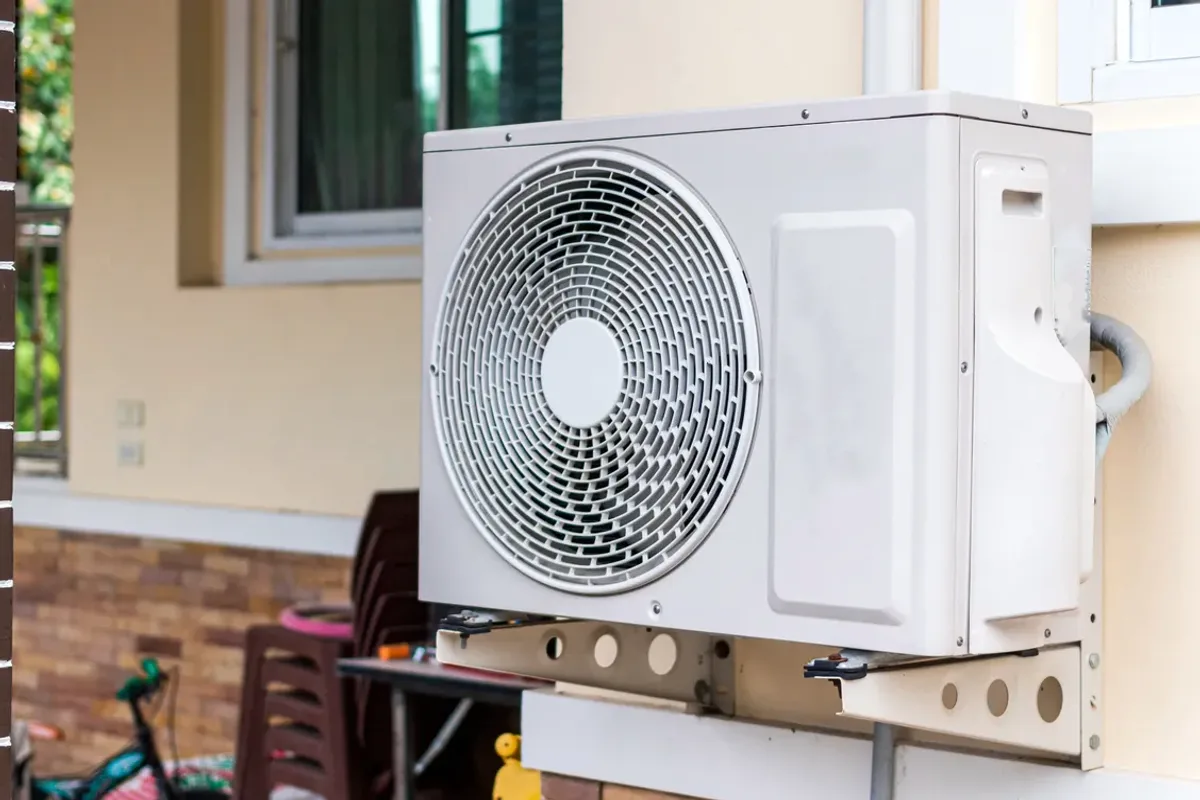
Request heat pump repair & installation for a property in Exeter. Include the equipment, the problem or planned work, and your location so the request can be reviewed.
Are you assessing a fault in an existing heat pump or planning a new system to replace oil heat?
Heat-pump repair and installation require different assessments, even when both requests concern the same property. For a repair, symptoms, model information, and service records help identify whether the fault involves a sensor, control, compressor, or another component. For a new installation or an oil-to-heat-pump change, the existing heating equipment, building heat loss, distribution system, and electrical requirements shape the scope. Backup-power equipment is a separate compatibility question, not an assumed part of the heat-pump project.
For repair, assessment compares the symptom with system controls, component condition, and prior faults. For installation, it examines the property's heating load, existing oil equipment, distribution, and required electrical changes. A generator, if present or being considered separately, must be checked for compatibility and capacity; its existence does not establish that it can operate the heat pump.
Heat-pump sensor, control, and compressor diagnosis
Oil-furnace removal and heat-pump installation planning
Heating-load and optional generator compatibility assessment
Assessment and Scope
Questions for the Proposed Work
01
Diagnose the installed heat pump before repairing
A sensor or control fault has a different repair scope from a compressor problem, so symptoms and model-specific inspection findings matter. Service records can show whether the current issue is isolated or recurring, while the condition of connected equipment helps establish the extent of work. Refrigerant and internal electrical checks are not occupant tasks. The diagnosis should identify the fault and explain whether a focused repair or a wider system assessment is indicated.
02
Assess an oil-to-heat-pump transition
Replacing an oil furnace with a heat pump involves more than selecting an outdoor unit. The property's heat loss, existing distribution, electrical service, and the condition of equipment being removed affect design and installation scope. Review how the current system serves the rooms and whether any existing components are intended to remain. A site-specific assessment is needed to compare system configurations; fuel preference alone does not establish the right design.
03
Check heating capacity and backup-power compatibility
Installation planning should compare the heat pump's documented operating range and capacity with the property's calculated heating requirements, rather than rely on a general cold-weather claim. If a standby generator is part of the property's plans, its electrical capacity, transfer arrangement, and compatibility with the heat pump must be evaluated separately. A generator should not be assumed to run the equipment simply because both systems are present or proposed.
Compare the next step
Ask how the system should be returned to normal service after the documented shutdown and whether backup equipment also needs assessment. Have the contractor explain the appropriate operating mode and schedules. Include any freezing or water damage in the scope rather than treating the return as a settings change alone.
Cold-climate capability does not prove that one model covers every home heating load. Ask how the selected equipment and supplementary heat meet the actual design requirements.