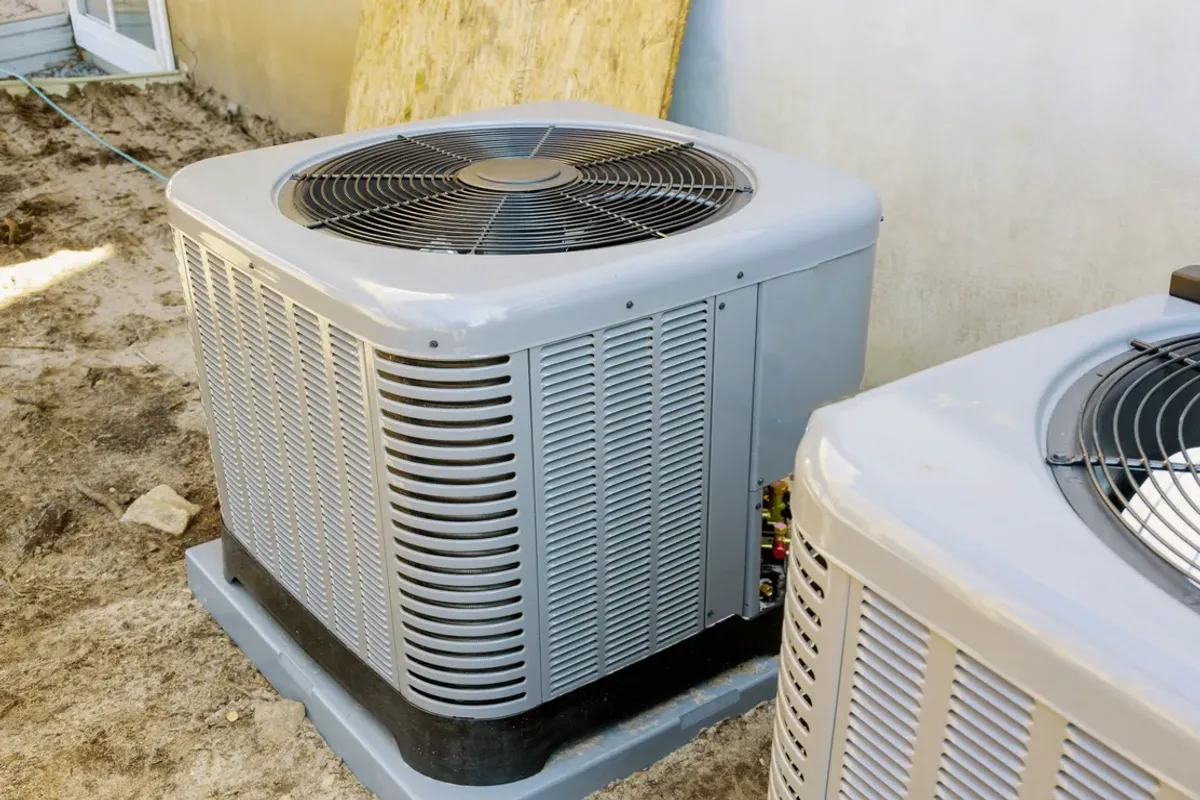
Does the system run but fail to cool, or does it stop before the cooling cycle is complete?
An air conditioner that runs without cooling, stops unexpectedly, or leaves a room uncomfortable needs diagnosis based on its equipment type and observed symptoms. Central air conditioners, heat pumps, and mini-splits have different layouts and controls, so the system model and recent service history help guide inspection. A failed capacitor or contactor is not the same repair as a compressor fault. Findings, equipment condition, and recurrence help distinguish a targeted repair from a replacement discussion.
Assessment compares the reported cooling symptoms with the equipment type, controls, electrical components, and inspection findings. A capacitor or contactor fault may explain a start problem, while compressor or refrigerant-circuit findings involve different work. Prior breakdowns and the condition of the rest of the system help establish whether a repair addresses the issue or whether replacement should also be considered.
Central air-conditioner, heat-pump, and mini-split repairs
Capacitor and contactor faults versus compressor problems
Repair history and condition in replacement decisions
Assessment and Scope
Questions for the Proposed Work
01
Match the diagnosis to the cooling system
First establish whether the property has central air, a heat pump, or a ductless mini-split, then note when cooling changes or stops. The equipment type affects which controls and components are involved, while operating symptoms help narrow the inspection. A fan that runs without effective cooling can have a different cause from a unit that will not start. Model details and service history keep testing focused on the installed system.
02
Distinguish a component repair from compressor work
A failed capacitor or contactor can cause a starting or operating problem, but a compressor fault has a different scope and may change the repair-versus-replacement comparison. Inspection findings should identify the affected component rather than treating every no-cooling call as evidence that the whole unit needs replacing. Refrigerant-circuit work also requires qualified service; occupants should not open equipment or handle refrigerant or internal electrical parts.
03
Use condition and repair history to compare options
One isolated failure does not by itself establish that an air conditioner should be replaced. The equipment's overall condition, age, type of fault, and pattern of repeat breakdowns provide more useful context. If several costly components are deteriorated, compare the proposed repair with replacement of the affected system. If inspection finds a limited, repairable fault, the work can remain focused on that component rather than expanding the scope without evidence.
Compare the next step
Explain how the cooling system was left and whether the property experienced outages or water damage. Ask for a condition assessment before a full seasonal run if abnormalities are present. Request instructions for keeping drainage, filters, and outdoor access suitable during future idle periods.
Do not open electrical panels or handle refrigerant. If ice, water near electrical equipment, or abnormal operation is present, stop using the affected system and request an assessment.