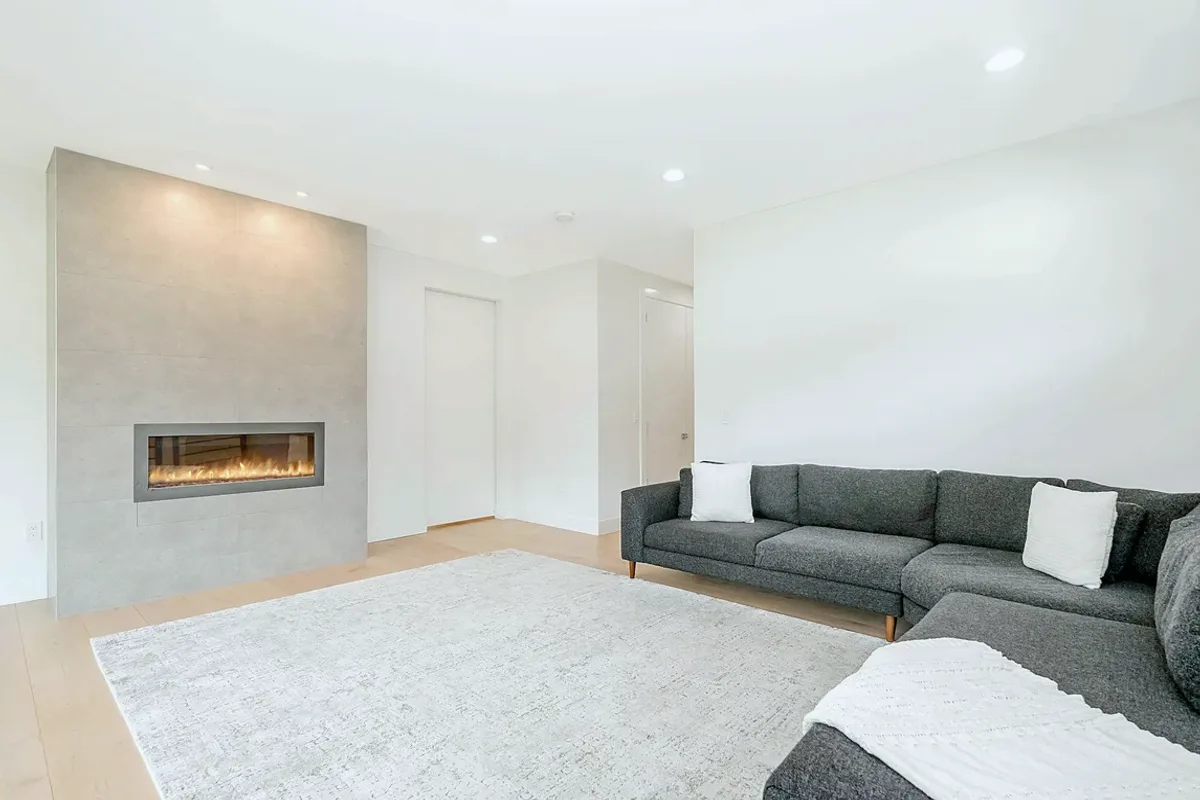
Request fireplace installation for a property in Exeter. Include the equipment, the problem or planned work, and your location so the request can be reviewed.
Is the project for a new direct-vent fireplace, a freestanding stove, or an insert in an existing opening?
Gas fireplace installation depends on the appliance type, its proposed location, and the available route for fuel and vent connections. A direct-vent unit and a freestanding stove have different placement and venting requirements, while an insert project may depend on the condition and dimensions of an existing opening. The model's installation instructions, gas supply, electrical needs, clearances, and vent path should be reviewed before scope is set. Existing firebox or vent damage requires separate inspection findings.
Assessment identifies the appliance model and location, then checks the proposed gas connection, vent route, clearances, and any electrical requirements. Reusing an opening requires confirming its dimensions and condition rather than assuming it suits the new unit. If an existing fireplace is damaged or performs poorly, inspection of the appliance, firebox, and vent helps distinguish repair work from replacement or a new installation.
Direct-vent gas fireplaces and freestanding stoves
Gas connection, vent routing, and appliance requirements
Insert projects and assessment of existing fireboxes or vents
Assessment and Scope
Questions for the Proposed Work
01
Choose the appliance and installation location
A direct-vent fireplace and a freestanding stove have different installation layouts, clearances, and vent routes, so the selected model and room location define the initial scope. The appliance instructions should guide the required space and connection arrangement. If an electric fireplace is being considered as a separate option, its electrical and installation requirements differ from a gas appliance. Confirming the project type prevents gas-line work from being assumed where it does not apply.
02
Plan the gas supply and vent route
For a gas appliance, the proposed gas connection and vent path must be assessed together with the manufacturer's instructions and applicable requirements. The location of the gas supply, route through the building, and termination point can affect installation work. Connections and leak checks belong to qualified service personnel. Where an existing vent is to be reused, its compatibility and condition need confirmation for the specific fireplace rather than visual assumption alone.
03
Inspect existing openings before an insert or replacement
An insert or replacement may reuse an opening, but the firebox dimensions, surrounding materials, and vent condition must suit the selected appliance. Damage to the fireplace appliance, firebox, or vent calls for inspection to determine whether repair, replacement, or a different installation plan is appropriate. The condition of the existing setup matters because a new unit cannot be scoped accurately from appearance or assumed compatibility alone.
Compare the next step
Identify whether the existing fireplace was shut down according to its manual and what conditions changed while the property was empty. Ask which inspection or service is appropriate before use. If replacement is proposed, compare its full venting and enclosure requirements with the existing installation.
Use a qualified contractor for the chosen appliance and any fuel, venting, or electrical work. Do not alter the appliance or defeat its controls. Confirm its manufacturer operating requirements before relying on it for whole-home or outage heating.