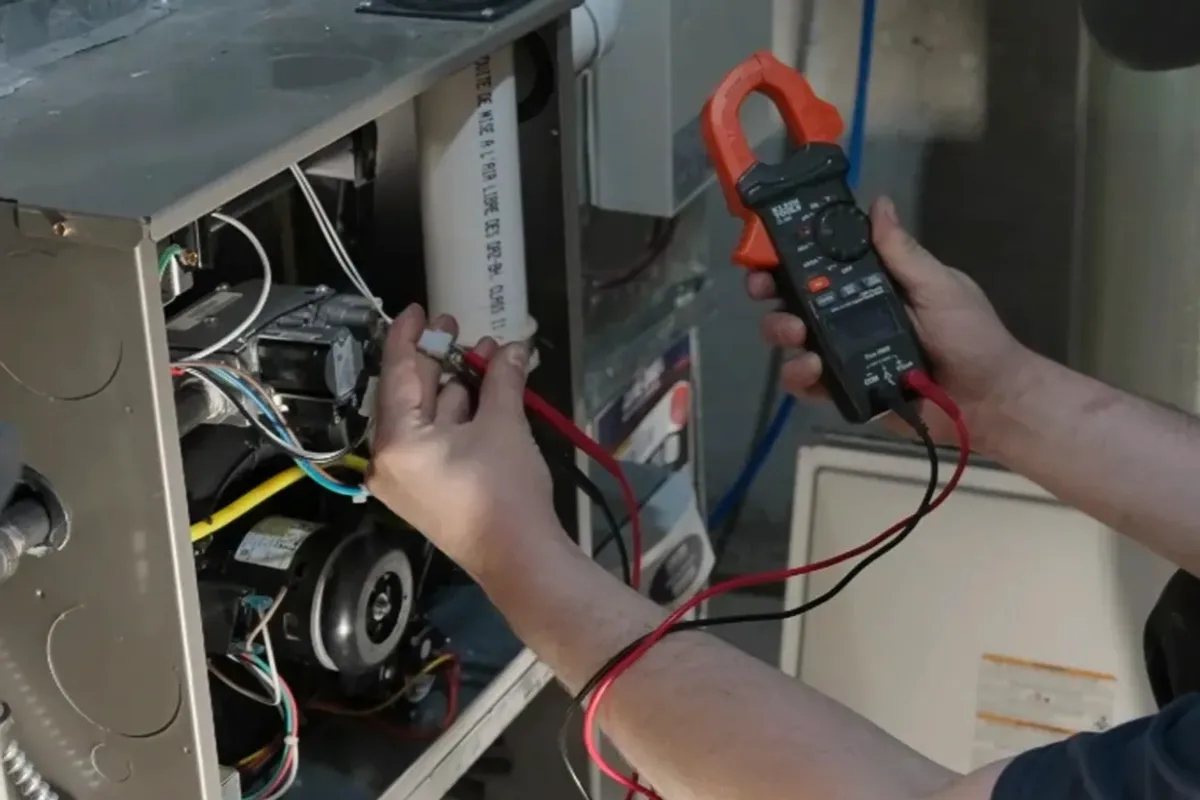
What information helps distinguish a furnace ignition fault from a motor, control, or fuel-related problem?
Furnace repair begins by identifying the installed equipment and the symptoms, rather than assuming every no-heat call has the same cause. A propane or natural-gas furnace may have an ignition, sensor, motor, or control-board fault, while an oil furnace has fuel-specific components that affect diagnosis. If the property uses a heat pump instead of a furnace, its heating fault requires a different diagnostic path. Equipment model, fuel, fault history, and any displayed error information help define the work.
The assessment compares the reported symptoms with the furnace type, fuel, control signals, and inspection findings. A failed igniter or sensor is different from a blower-motor or board fault, and oil equipment has different fuel-delivery components from gas or propane equipment. Previous repairs and recurring shutdowns help determine whether repair remains practical or replacement merits consideration.
Propane, natural-gas, and oil furnace faults
Ignition, sensor, motor, and control-board diagnosis
Heat-pump equipment when installed instead of a furnace
Assessment and Scope
Questions for the Proposed Work
01
Identify the furnace and its fault
Diagnosis starts with the nameplate, fuel type, model, and the conditions under which the furnace stops or fails to start. Error indications and service records can help distinguish an ignition or sensor problem from a motor, wiring, or control-board issue. For oil equipment, the fuel-delivery system also affects the diagnostic scope. These distinctions matter because similar symptoms can come from different components and require different repair decisions.
02
Separate a repair from a replacement decision
A repair may suit an isolated component failure when the rest of the furnace is in serviceable condition. Repeated breakdowns, multiple failing components, or evidence of significant deterioration call for a broader comparison with replacement. Age alone does not identify the fault, and a heat exchanger or combustion-related concern requires model-specific professional assessment. The findings should explain which parts are affected and why the proposed work addresses the reported problem.
03
Keep fuel and system type in view
Propane, natural-gas, and oil furnaces do not share every service procedure or component, so the actual fuel and equipment label should be confirmed before work is scoped. If the property has a heat pump rather than a furnace, its controls and heating operation must be assessed as heat-pump equipment, not treated as a furnace ignition repair. This distinction keeps the diagnosis focused on the system that is actually installed.
Compare the next step
Ask which startup observations are safe for the occupant and which checks require service after the idle period. Include any water entry, freezing, or pest history. Establish normal operation and the maintenance needed before depending on the furnace, then retain instructions for the next planned shutdown.
Leave burner, fuel, venting, electrical, and internal equipment work to a qualified contractor. Do not bypass a safety switch or repeatedly reset a furnace.